 Reviews


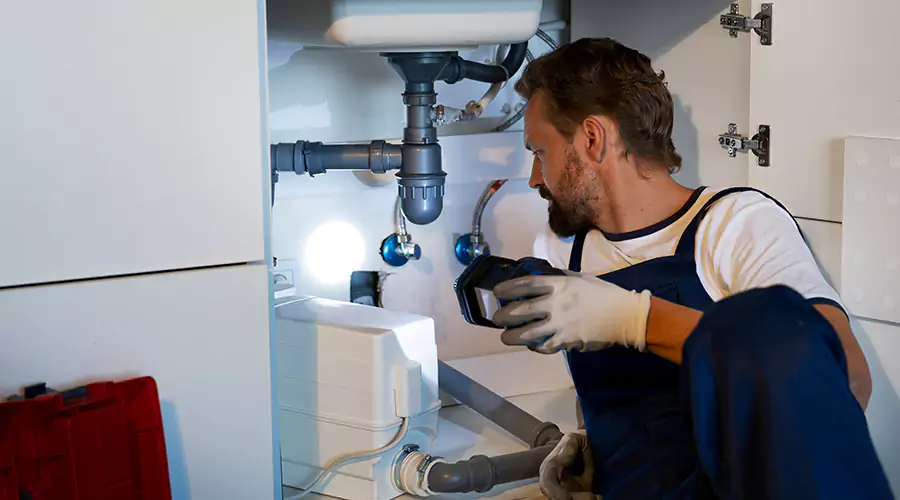
As environmental awareness continues to grow, more homeowners are looking for ways to reduce their carbon footprint and live more sustainably. While solar panels and energy-efficient appliances often steal the spotlight, plumbing plays an equally critical role in making a home truly green. From water conservation to eco-friendly pipe materials, the choices you make about your plumbing system can have a lasting impact on both the environment and your utility bills.
In this article, we will explore how modern plumbing contributes to sustainable green homes and what upgrades you can make to move your household in a greener direction.
What Makes a Home Environmentally Sustainable?
A truly sustainable home minimizes its consumption of energy and natural resources while reducing waste and pollution. Plumbing directly affects two of the most critical resources in any home: water and energy. The average American household uses more than 300 gallons of water per day, much of which is wasted through inefficient fixtures and leaks, making proper Plumbing Installation essential to ensure efficient systems that reduce water loss and improve long-term sustainability.
Sustainable plumbing addresses this waste at every level of the system, from the pipes in the walls to the fixtures at the sink.
Key Ways Plumbing Supports Green Home Design
1. Water-Efficient Fixtures
One of the easiest and most impactful upgrades in a green home is switching to low-flow fixtures. These include:
- Low-flow toilets that use 1.28 gallons per flush or less, compared to older models that used up to 7 gallons
- Low-flow showerheads that deliver 2 gallons per minute or less without sacrificing water pressure
- Aerated faucets that mix air with water to reduce flow while maintaining performance
These fixtures alone can reduce a household's water usage by 20 to 30 percent annually.
2. Tankless Water Heaters
Traditional water heaters store and continuously heat large tanks of water, even when no one is using hot water. Tankless water heaters, also known as on-demand water heaters, only heat water when it is needed. This approach:
- Reduces energy consumption by up to 30 percent compared to standard tank models
- Eliminates standby heat loss, which accounts for a significant portion of home energy waste
- Provides a continuous supply of hot water without running out
3. Greywater Recycling Systems
Greywater is the lightly used water that comes from sinks, showers, and laundry machines. Rather than sending this water to the sewer, a greywater recycling system collects and filters it for reuse in non-potable applications such as:
- Toilet flushing
- Garden and landscape irrigation
- Outdoor cleaning tasks
Greywater systems can reduce a home's total water consumption by up to 50 percent, making them one of the most powerful tools in sustainable plumbing design.
4. Rainwater Harvesting
Green homes often incorporate rainwater harvesting systems that collect and store rainfall for later use. Collected rainwater can be used for garden irrigation, toilet flushing, and in some regions, treated for drinking. This reduces reliance on municipal water supplies and helps manage stormwater runoff, which is a major contributor to urban flooding and water pollution.
5. Eco-Friendly Pipe Materials
The materials used in a home's plumbing system also have an environmental impact. Sustainable homes often use:
- PEX piping, which requires less energy to manufacture than copper and has a long service life
- Recycled or low-emission materials for pipe insulation and fittings
- Properly insulated pipes to minimize heat loss and reduce the energy needed to deliver hot water
Choosing the right pipe materials during construction or renovation is a decision that pays dividends for decades.
6. Smart Water Monitoring Systems
Modern green homes are increasingly using smart water monitors and leak detection devices that connect to your smartphone. These systems can:
- Track real-time water usage across your entire home
- Alert you to unusual spikes that may indicate a leak
- Help identify fixtures that are using more water than expected
Smart monitoring gives homeowners the data they need to make informed conservation decisions every day.
7. Solar-Powered Water Heating
Solar water heaters use energy collected from the sun to heat water for household use. These systems pair beautifully with other green home features and can reduce water heating costs by 50 to 80 percent annually. The long-term savings and environmental benefits make solar water heating a worthwhile investment.
Benefits of Sustainable Plumbing
Investing in green plumbing offers a wide range of benefits beyond helping the environment:
- Lower water and energy bills every month
- Increased home value as green features become more desirable to buyers
- Reduced strain on local water supplies and municipal infrastructure
- Fewer plumbing repairs due to higher quality, longer-lasting materials and systems
- Eligibility for tax credits and rebates offered by federal and local governments for green upgrades
Final Thoughts
Sustainable plumbing is not just a trend. It is a fundamental part of building and maintaining a home that respects the environment and conserves resources for future generations. Whether you are building a new green home or upgrading an existing one, plumbing solutions are available at every budget level that can make a meaningful difference.
Go green from the pipes up and build a home that works better for your family and the planet.
Frequently Asked Questions
Is sustainable plumbing more expensive to install?
Some green plumbing upgrades have higher upfront costs. However, the savings on monthly water and energy bills typically offset these costs within a few years, making them a smart long-term investment.
Can I retrofit my existing home with green plumbing features?
Yes. Most sustainable plumbing upgrades can be added to existing homes without major structural changes. Low-flow fixtures, smart monitors, and pipe insulation are all straightforward retrofits that any licensed plumber can install.
Are greywater systems legal everywhere?
Greywater regulations vary by state and municipality. Some areas have clear permit processes, while others restrict certain types of reuse. Always check with your local building authority before installing a greywater system.
What is the easiest first step toward greener plumbing?
Start with low-flow fixtures. They are affordable, widely available, easy to install, and deliver immediate water savings with no change to your daily routine.